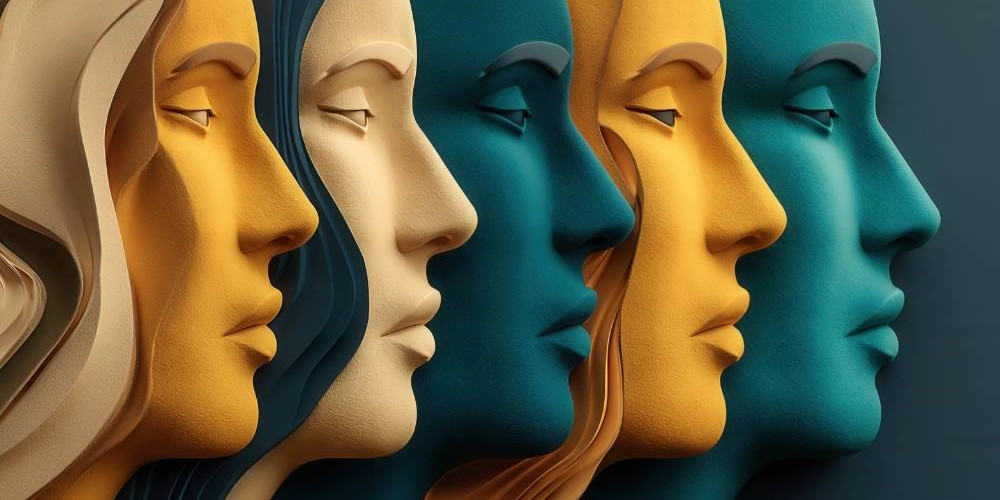
Creativity is evolving. The traditional gallery experience—quiet rooms, static walls, silent observation—is no longer enough for today’s audience. Modern creators and cultural spaces are embracing immersive environments that blend art, architecture, technology, and sensory design to create experiences that transform how we perceive and interact with creativity.
The future of creative expression is not about viewing art. It’s about entering it.
Why Immersive Environments Matter
1. They Turn Passive Observation Into Active Participation
In immersive spaces, visitors don’t just look at creativity—they become part of it. Movement, interaction, sound, and light allow individuals to shape their own sensory journey.
Impact: Deeper emotional resonance and longer-lasting connection.
2. They Unlock New Dimensions of Storytelling
Static displays limit narrative depth. Immersive environments combine visual art, soundscapes, spatial design, and technology that allow stories to unfold dynamically.
Outcome: Audiences experience meaning, not just aesthetics.
3. They Make Creativity More Accessible
Immersive formats welcome people of all ages, cultures, and learning styles. You don’t need art education to feel something powerful.
Result: Broader participation and stronger cultural engagement.
4. They Spark Inspiration and Innovation
When environments stimulate multiple senses, the mind opens to new ideas. Artists, designers, and thinkers draw creative energy from spaces that break convention.
Advantage: Environments become catalysts for new forms of expression and collaboration.
How Immersive Design is Shaping the Future
Multisensory Installations
Sound, light, projection, texture—creativity that activates multiple senses intensifies impact.
Interactive Digital Art
Motion tracking, VR, AR, and responsive projections create real-time connection between audience and artwork.
Spatial Narrative Design
Architectural storytelling transforms rooms into journeys with emotional pacing and intentionally crafted flow.
Community and Social Connection
Immersive environments bring people together, turning creativity into shared experience rather than silent observation.
The Bottom Line
We’re entering a new era where creativity is not confined to frames, podiums, or conventional formats. Immersive environments are redefining how we experience art by engaging the mind, body, and emotions simultaneously. They transform audiences from spectators into participants—and that shift is rewriting the future of artistic expression.
This is creativity fully alive. Creativity you feel, not just see.