
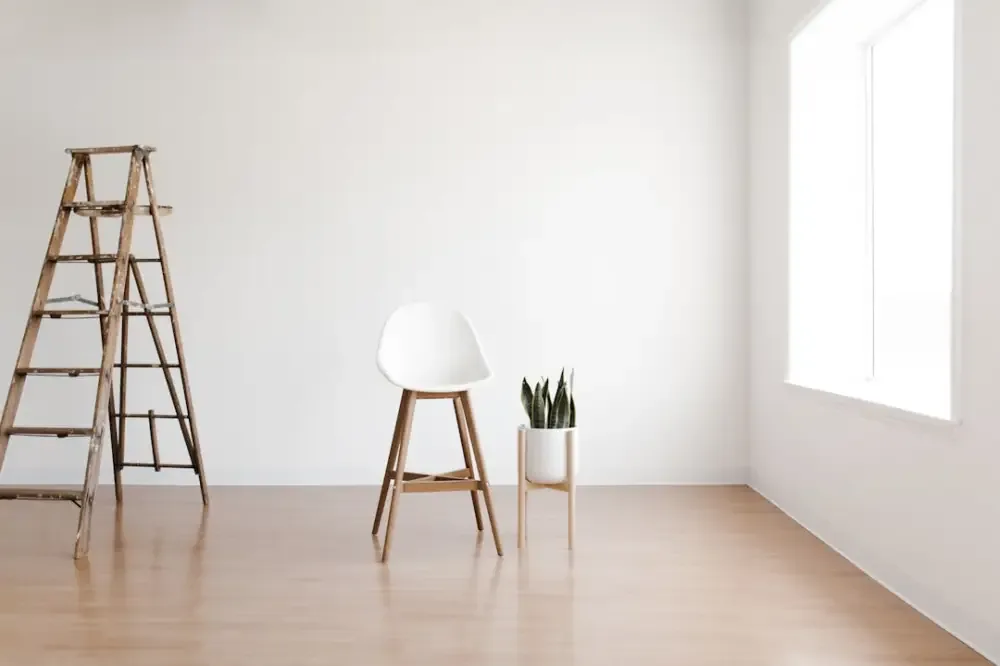
The Invisible Architecture of Feeling
When we talk about interior design, we often find ourselves caught in the vocabulary of the tangible: floor plans, textile swatches, and color wheels. Yet, anyone who has ever stepped into a room and felt an immediate, inexplicable shift in their mood knows that space is defined by more than its physical boundaries. There is an invisible architecture at play—an energy that resides in the air between the walls. This energy is not mystical; it is the psychological resonance of our environment, and it has the profound power to alter our creative perspective.
At Brot Kunsthalle, we believe that a room is not merely a container for human activity, but a collaborator in it. The energy of a space acts as a silent conductor, orchestrating the tempo of our thoughts. When we change the energy of a room, we do not just change how it looks; we change how we see the world from within it.
The Weight of Atmosphere
Consider the difference between a high-ceilinged gallery bathed in neutral light and a small, wood-paneled study tucked away in a corner of a house. The former invites a sense of expansion; it encourages the mind to wander, to seek out new connections, and to think in broad, sweeping strokes. The latter offers a sense of containment and security, pulling the focus inward toward detail, nuance, and memory. This is the 'energy' of volume and scale.
Our creative perspective is inherently linked to the perceived boundaries of our surroundings. In a space that feels 'light'—whether through literal illumination or a minimalist approach to furniture—our mental blocks often feel less formidable. Conversely, a space that feels 'heavy' or cluttered can mirror a cluttered mind, making it difficult to find the thread of a new idea. The energy of a room dictates the 'mental ceiling' we operate under.
How Elements Influence Creative Resonance
To understand how the energy of a room changes our perspective, we must look at the specific elements that contribute to a room’s vibration. It is a delicate alchemy of sensory inputs that tells our brain whether to be alert, relaxed, or imaginative.
- The Rhythm of Light: Natural light is perhaps the most potent energy shifter. The movement of shadows throughout the day reminds us of the passage of time, grounding our creative work in a natural rhythm. A room that ignores the sun often feels stagnant, whereas a room that embraces it feels alive and evolving.
- The Language of Texture: A cold, marble surface sends a different message to the psyche than a soft, woven rug. Textures ground us in the present moment. By engaging our sense of touch, the energy of a room can move us from abstract anxiety into a state of tactile presence.
- The Echo of Sound: The acoustic quality of a room—how it holds silence or carries music—defines its 'breath.' A room with too much echo can feel unsettled, while a room that absorbs sound can feel like a sanctuary for deep thought.
- The Presence of Nature: Integrating biophilic elements—plants, stone, or water—introduces an organic energy that counteracts the sterility of modern life, fostering a perspective rooted in growth and resilience.
The Psychology of Color and Intent
While often discussed in terms of 'trends,' the color of a room is one of the most direct ways to shift its energy. However, it is less about the color itself and more about the *saturation* and *warmth*. A deep, muted blue doesn't just look quiet; it *feels* quiet. It lowers the energetic 'noise' of a room, allowing the occupant to hear their own internal monologue more clearly. In contrast, vibrant yellows or oranges inject a room with a kinetic energy that can jumpstart a stalled creative process. When we choose a palette, we are choosing the emotional frequency we wish to inhabit.
Designing for Mental Expansion
Creating a space that shifts perspective requires a departure from purely functional thinking. It requires introspection. We must ask: *What kind of thoughts do I want to have in this room?* If the goal is innovation, the energy must be one of curiosity. This might mean leaving 'empty' spaces—areas of the room with no designated purpose—to act as a canvas for the imagination.
When a room is over-designed, with every square inch allocated to a specific task, the energy can feel rigid. There is no room for the unexpected. To change our creative perspective, we must allow for 'liminal spaces'—corners of the room that feel transitional, where the mind is allowed to drift without the pressure of productivity. It is often in these energetic gaps that the most profound insights occur.
The Room as a Mirror
Ultimately, the energy of a room acts as a mirror to our subconscious. When we are in a space that resonates with our values and our aesthetic sensibilities, we feel 'seen' by our environment. This sense of belonging creates a psychological safety net that is essential for creative risk-taking. If we do not feel at home in our space, we cannot feel at home in our ideas.
As we move through the world, we should pay closer attention to how different rooms make us feel. Notice when your perspective shifts from narrow to wide. Notice when your thoughts move from frantic to rhythmic. By intentionally curating the energy of our interiors, we are not just decorating; we are cultivating the landscape of our own minds. At Brot Kunsthalle, we invite you to look beyond the furniture and see the potential for transformation that exists in the very air of your home.